
Renovating a condominium: MCST rules to read first
Before hacking, waterproofing or changing a balcony, read the condominium's by-laws. The MCST controls common property, access, deposits, working hours and many disputes.
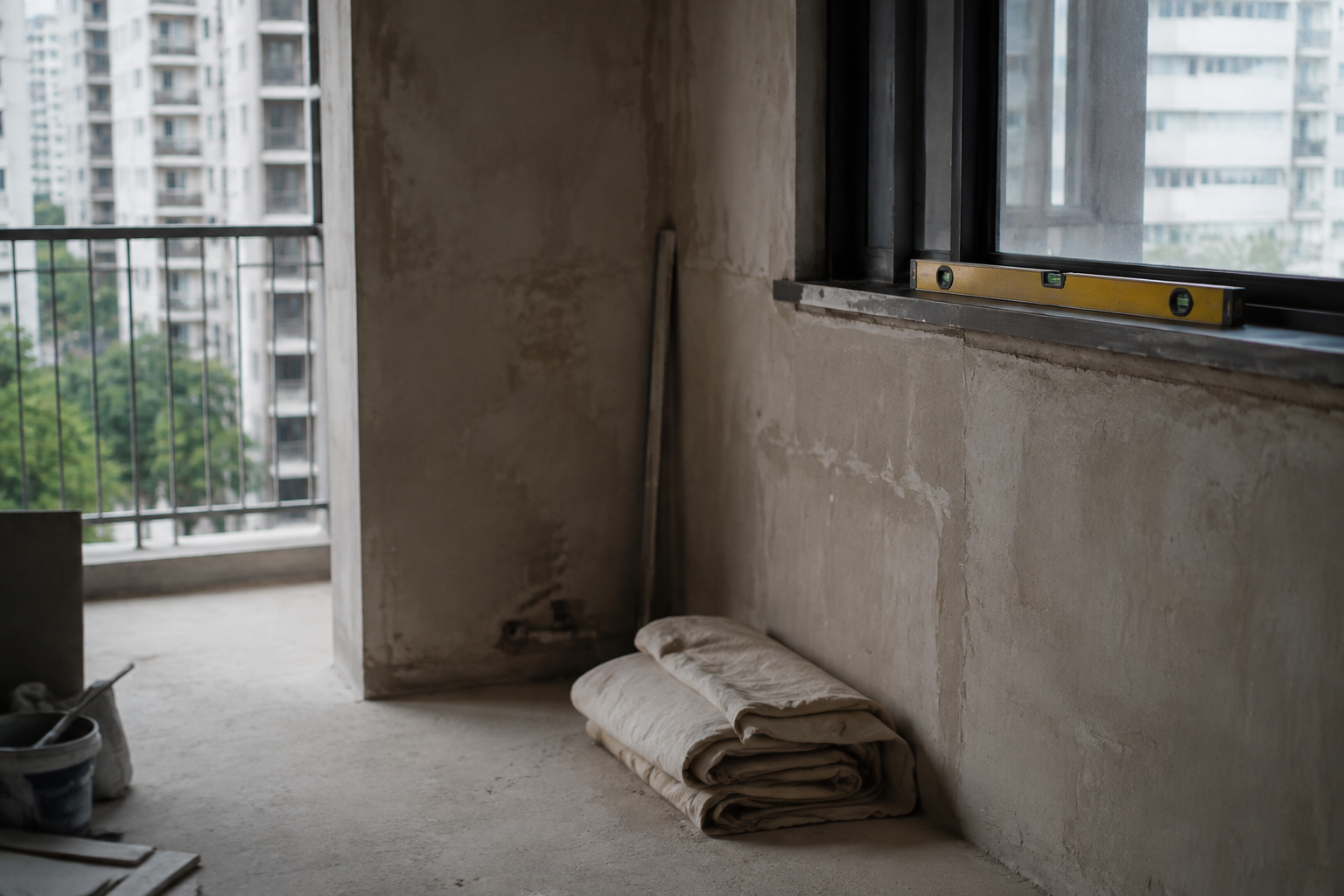
Your unit is private, but the estate is shared
A condominium renovation begins with a simple misunderstanding. Owners think the work is inside their unit, so it is their private matter. In strata living, that is only partly true. BCA explains that a subsidiary proprietor owns a lot and is part of the management corporation. The MCST controls and manages common property under the Building Maintenance and Strata Management Act. That includes the areas and systems that make the estate work, even when they sit close to your unit.
This is why the renovation application is not a formality. The managing agent usually asks for contractor details, scope of work, insurance, method statements for hacking, lift protection, debris disposal arrangements and a refundable renovation deposit according to the estate’s own rules. The deposit amount and working hours are usually set by the MCST or managing agent, so I do not quote a universal figure. Read the latest by-laws and renovation form for that development before you sign with the contractor.
If you bought the unit after handling a family home after a death, the contrast can feel sharp. A landed home has neighbours and planning controls, but a condominium adds daily estate rules. The earlier article on selling a home after a death is about legal authority and timing; here, the issue is permission inside a shared building.
Common property is where many mistakes start
The Land Titles (Strata) Act definition of common property is broader than many owners expect. It can include foundations, columns, beams, supports, walls, roofs, lobbies, corridors, stairways, lifts, tanks, ducts and central installations for services. In practice, this means the wall you want to chase, the pipe you want to shift, the balcony facade you want to screen, or the air-conditioning route you want to change may not be only yours to decide.
The prescribed by-laws also restrict damage, obstruction and alteration to common property. You should not mark, paint, drive nails into or otherwise damage common property without prior written approval from the management corporation. Moving bulky materials through lifts and corridors may also be subject to the MCST’s stated route and protection requirements. A contractor who says everybody does it this way is not enough. Ask where the approval is written.
Balconies are a common example. URA’s current guidelines say balconies should not be enclosed except with approved balcony screens, and existing developments may have MCST design guidelines for screens. That means a glass enclosure, fixed window system or facade change can create trouble even if it seems neat from inside the unit. The outer face of the building belongs to the estate’s appearance and safety, not only to your renovation mood board.
- Check whether the element is inside the lot, common property or limited common property.
- Get written MCST clearance before altering facade-facing features.
- Protect lifts, lobbies and corridors before materials arrive.
- Keep approved drawings and forms until the deposit is returned.
Hacking and wet areas need more caution
Hacking is where a cheap mistake can become an expensive dispute. Under the Building Maintenance and Strata Management Act, a subsidiary proprietor or occupier must not interfere with support or shelter for another lot or common property, or interfere with the passage of water, sewerage, drainage, gas, electricity and other services through pipes, wires, cables or ducts. That is statutory language, but the practical meaning is clear: do not let a contractor treat columns, beams, structural walls or service ducts casually.
Wet areas need the same discipline. If you are changing bathroom tiles, waterproofing, kitchen plumbing or floor traps, ask how the contractor will protect the unit below and how the MCST wants the work documented. Some estates require flood tests or waterproofing warranties before releasing the renovation deposit. The exact requirement differs by development, which is why the application pack matters. A leak after handover is harder to resolve than a clear written scope before work begins.
Owners also underestimate noise. The prescribed by-laws restrict noise likely to interfere with another resident’s peaceful enjoyment. The MCST may set permitted renovation hours, quiet periods, lift booking rules and debris removal windows. These are not small courtesies. They determine whether neighbours complain, whether security stops the workers, and whether your renovation timeline survives the first week.
Plan the renovation before completion if you can
The best time to read the renovation rules is before completion, not after the keys are in your hand and the contractor is waiting downstairs. Ask the seller or managing agent for the latest renovation application form, by-laws, house rules and any guidelines on air-conditioning, balcony screens, flooring, wet works and delivery access. If you are comparing a private condominium with a landed option, my terrace or corner terrace article shows how different the control points can be. A house gives land questions; a condominium gives strata questions.
For a resale condominium, also look at the floor plan properly before committing to expensive changes. Long corridors, structural columns, bay window strips and service ducts may limit what can be altered. Some inefficient layouts cannot be renovated into efficient ones without creating awkward compromises. The contractor can price carpentry, but the strata plan and building structure decide what is actually possible.
If a dispute arises, start with records. Keep the approved application, photographs before work, contractor messages, invoices, waterproofing documents and MCST correspondence. BCA’s strata guides point owners back to by-laws and self-governance, while the Strata Titles Boards exist for strata disputes within their jurisdiction. Most renovation problems are better solved before that stage. Clear paperwork is less dramatic, and far more useful.
What to take from this
- Read the MCST renovation form and by-laws before signing a contractor’s quotation.
- Treat facade elements, ducts, columns, beams, corridors and lifts as controlled areas until confirmed otherwise.
- Document wet-area works carefully because leaks often become neighbour disputes.
- Check permitted hours, lift routes and deposit conditions before planning the renovation timeline.
Questions I get asked about this
Is MCST approval always needed for condominium renovation?
For meaningful renovation, assume you need to check first. Internal works may not require URA planning permission if they do not increase GFA and the unit remains self-sufficient, but the MCST can still require approval under its by-laws and house rules for access, noise, debris, wet works and common property protection.
Can I enclose my balcony with glass panels?
Do not assume you can. URA’s current balcony guidance says balconies should not be enclosed except with approved balcony screens, and the MCST may have design rules for the estate. Ask the managing agent for the approved screen type and required clearance before ordering any facade-facing work.
Why does the MCST collect a renovation deposit?
The deposit is usually used to protect the estate against damage to common property, lift misuse, debris issues or breach of renovation rules. The amount is set by the development’s rules, not by one Singapore-wide rate. Photograph lift lobbies and access routes before work starts so disputes can be resolved on evidence.
What should I ask the contractor before hacking starts?
Ask which walls, floors and ducts will be touched, whether any structural element is involved, how debris will move, how wet areas will be waterproofed, and what documents the MCST requires. The contractor should be able to work from approved plans and written MCST conditions, not only from verbal confidence.
Sources
- Condo Living Be Condo Savvy — BCA
- Strata Management Guides — BCA
- Building Maintenance and Strata Management Act section 37 — laws.sg
- Land Titles Strata Act 1967 section 3 — laws.sg
- Strata-titled Residential — URA
- Balconies, Private Enclosed Spaces, Private Roof Terraces and Indoor Recreation Spaces — URA
- Strata Titles Boards — Strata Titles Boards
Written by Karen Lim, CEA Registration Number R005794D, PropNex Realty Pte Ltd (CEA Licence Number L3008022J). Rules, rates and thresholds in Singapore property change; please confirm anything time-sensitive with the relevant authority or with me before you act on it.